Puretone Hearing Clinic -Registered Audiologists Surrey and Vancouver

Earwax Assessment and Removal in Surrey (King George / Newton) and White Rock / South Surrey

If your ear feels blocked, muffled, full, or suddenly less clear, it may be wax. It may also be hearing change, tinnitus, pressure, or a hearing-aid issue. A proper ear check helps separate those possibilities.

A blocked sensation does not always mean permanent hearing loss. Earwax is one possible reason, but it should be confirmed before anyone assumes it is the full explanation.

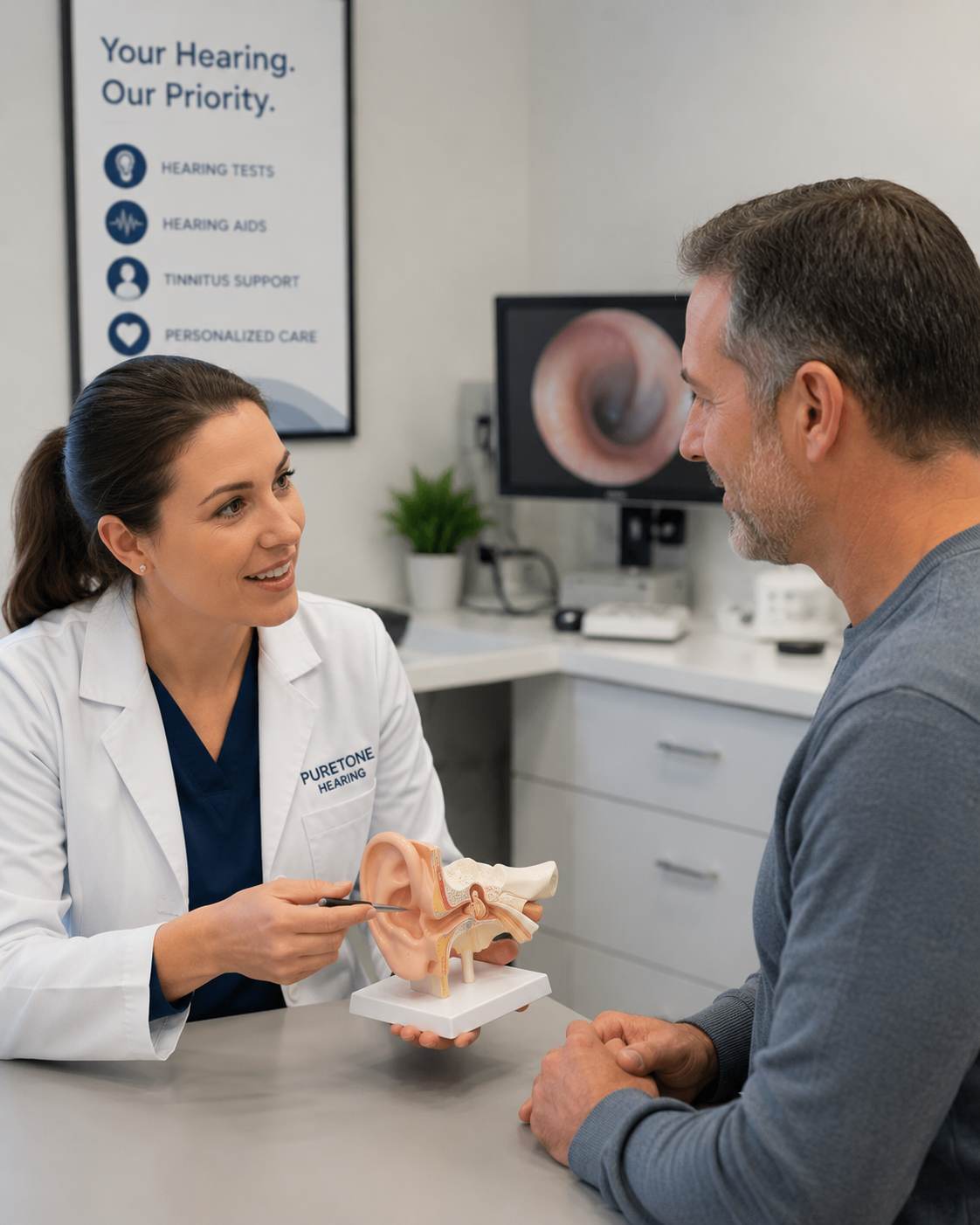
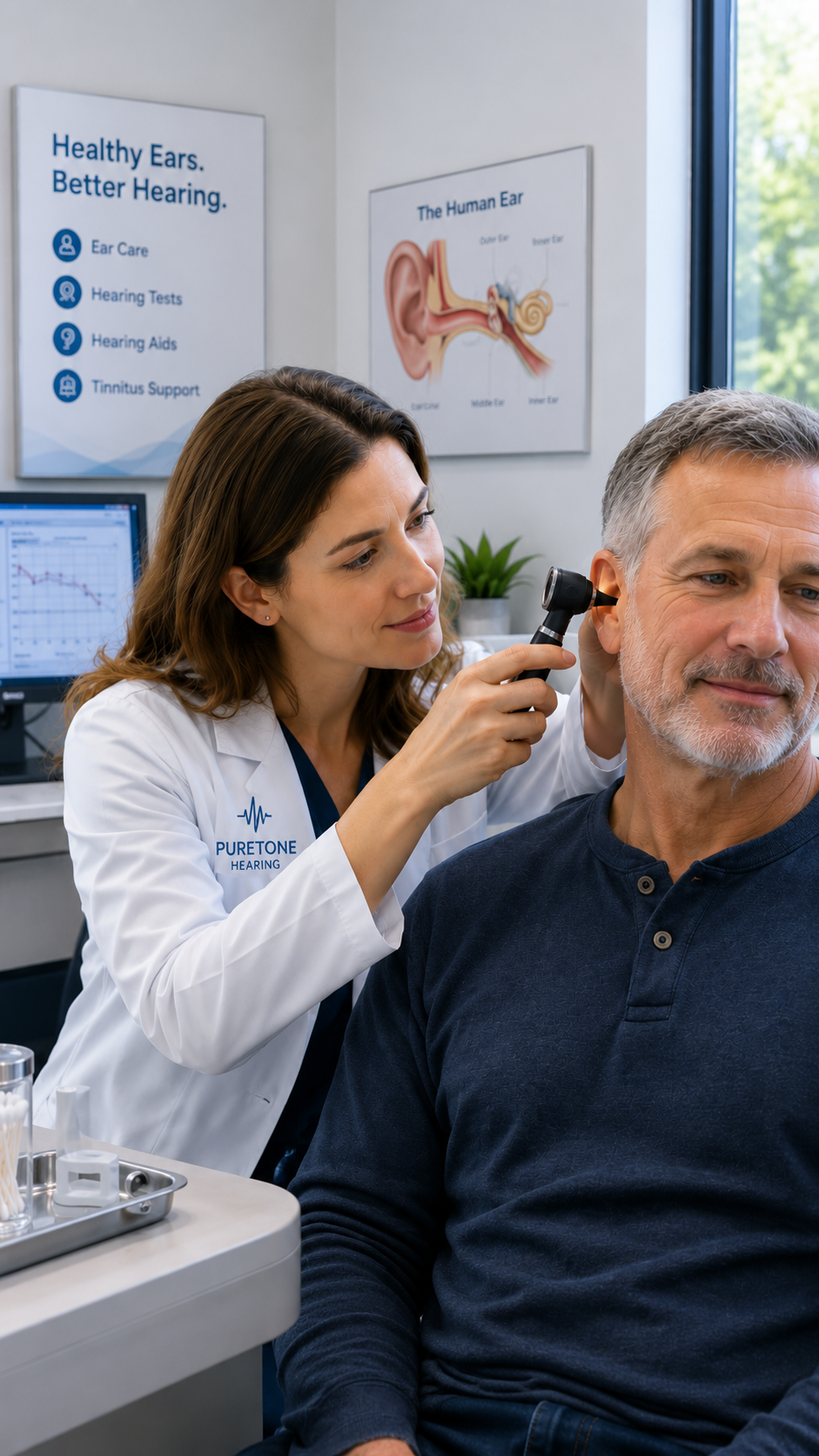
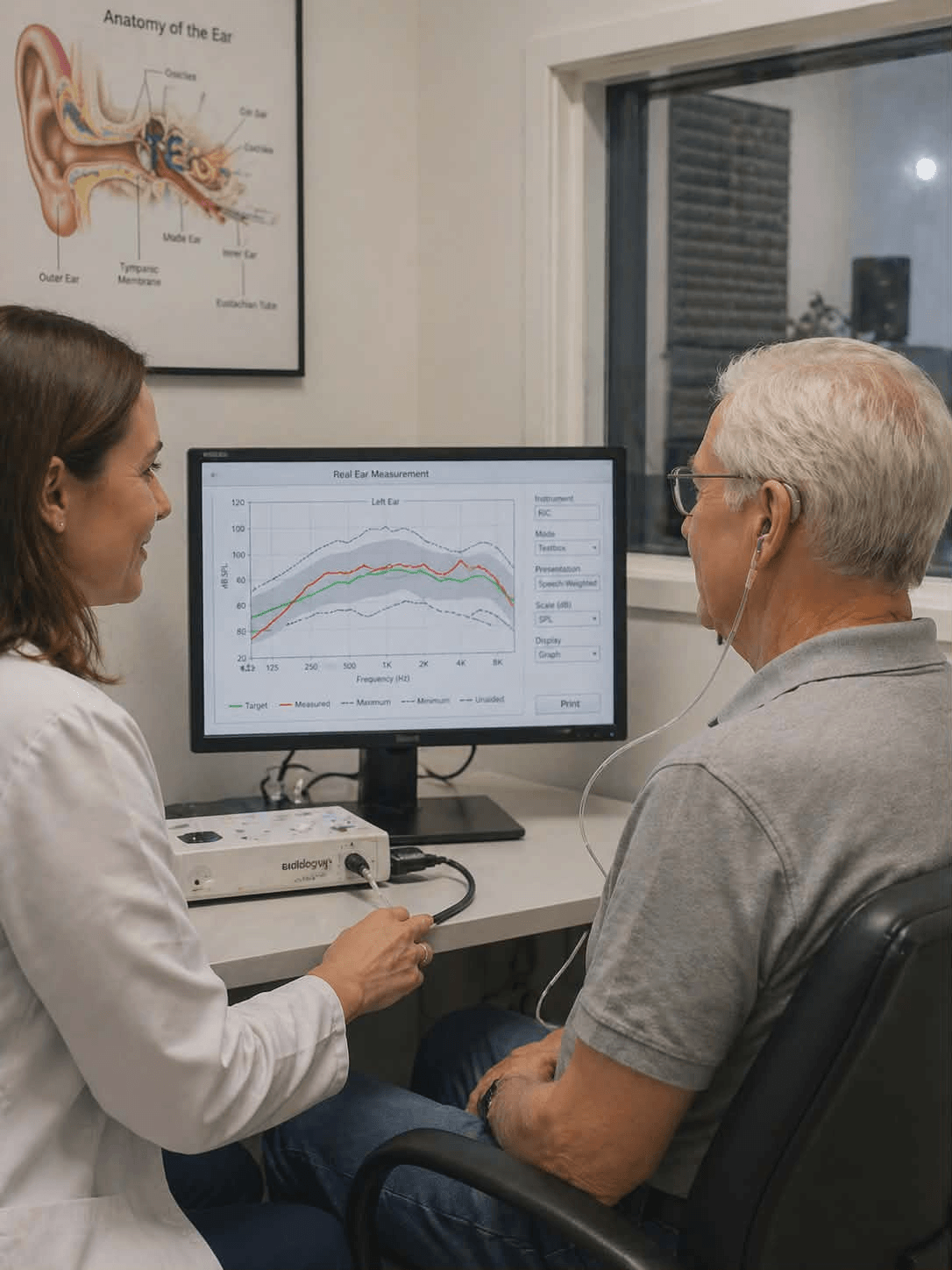
At Puretone Hearing Clinic, this visit is booked as an Earwax Assessment and Removal if clinically appropriate. Your Audiologist checks the ear canal first. If wax is present and it is safe to proceed, removal may be completed during the same appointment.

This is not positioned as a quick clean-out or spa-style service. It is a hearing-focused assessment for patients who want to know why the ear feels blocked, muffled, or suddenly unclear.
  • Audiologist-led ear canal check
  • Removal where clinically appropriate
  • Hearing Test if needed
  • Surrey King George and White Rock only
Appointment Note: By appointment only. A $50 booking fee reserves your dedicated appointment time and is applied toward your visit.

Availability Note: Age 60+ only. Earwax assessment and removal, when clinically appropriate, is available at Surrey – King George / Newton and White Rock / South Surrey only. It is not offered at Scott Road or Vancouver.

Blocked Ear, Muffled Hearing, or Sudden Fullness?

Many patients book because something suddenly feels different, not because they know the cause.

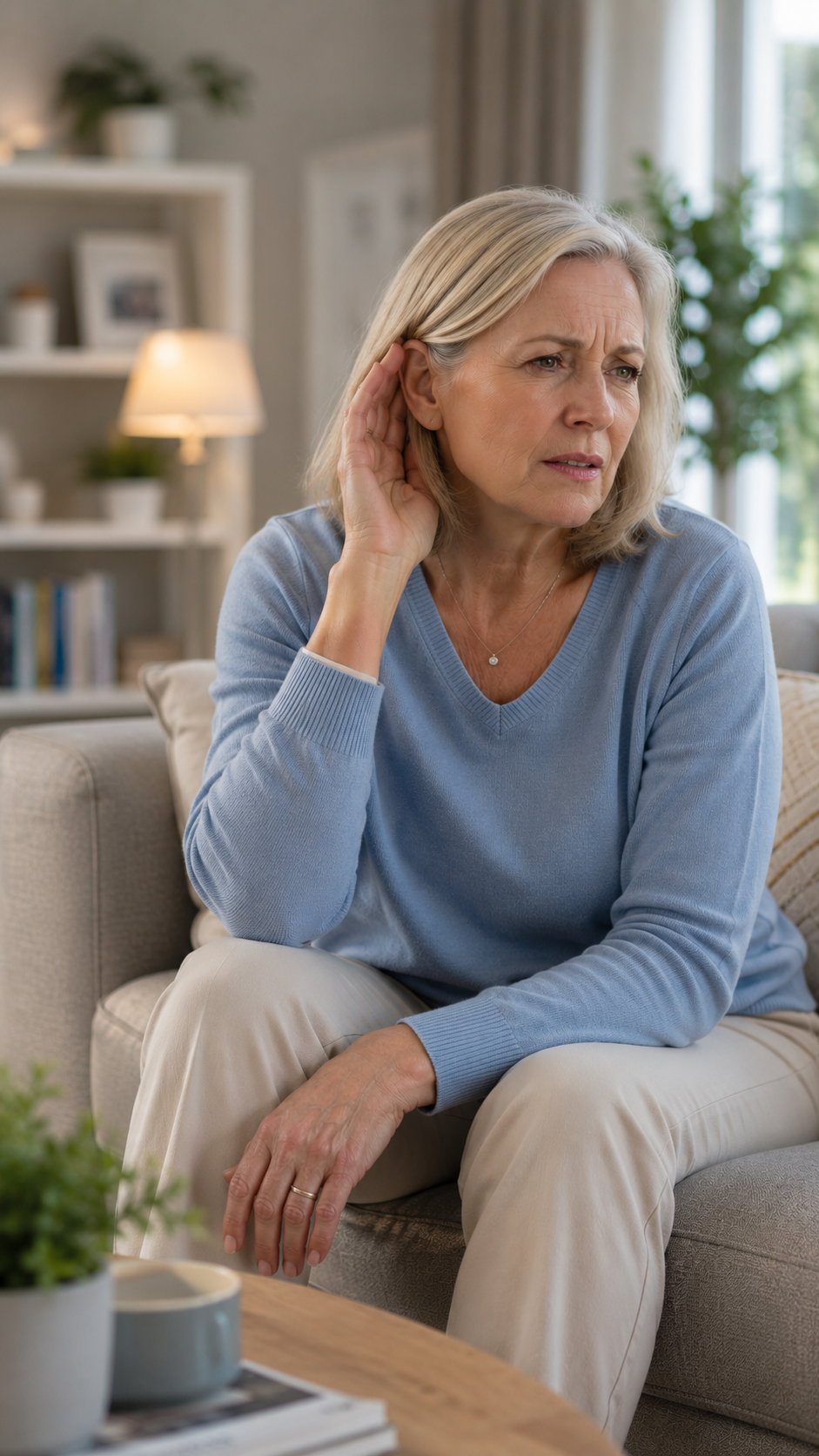
Patients often describe one ear feeling plugged, speech sounding dull, pressure building, their own voice echoing, or a hearing aid suddenly sounding weak.

Those symptoms can happen with wax, but they can also overlap with hearing change, tinnitus, middle-ear pressure, or hearing-aid performance problems. That is why assessment comes first.

This page is useful if you notice:

  • Blocked or muffled hearing
  • Ear fullness or pressure
  • Sudden reduction in clarity
  • A hearing aid sounding weak, dull, or blocked
  • Uncertainty about whether the issue is wax, hearing change, or both
  • An older adult whose hearing has recently seemed worse

If wax is the issue, we address it. If the ear is clear and hearing still feels reduced, a proper Hearing Test is usually the better next step.
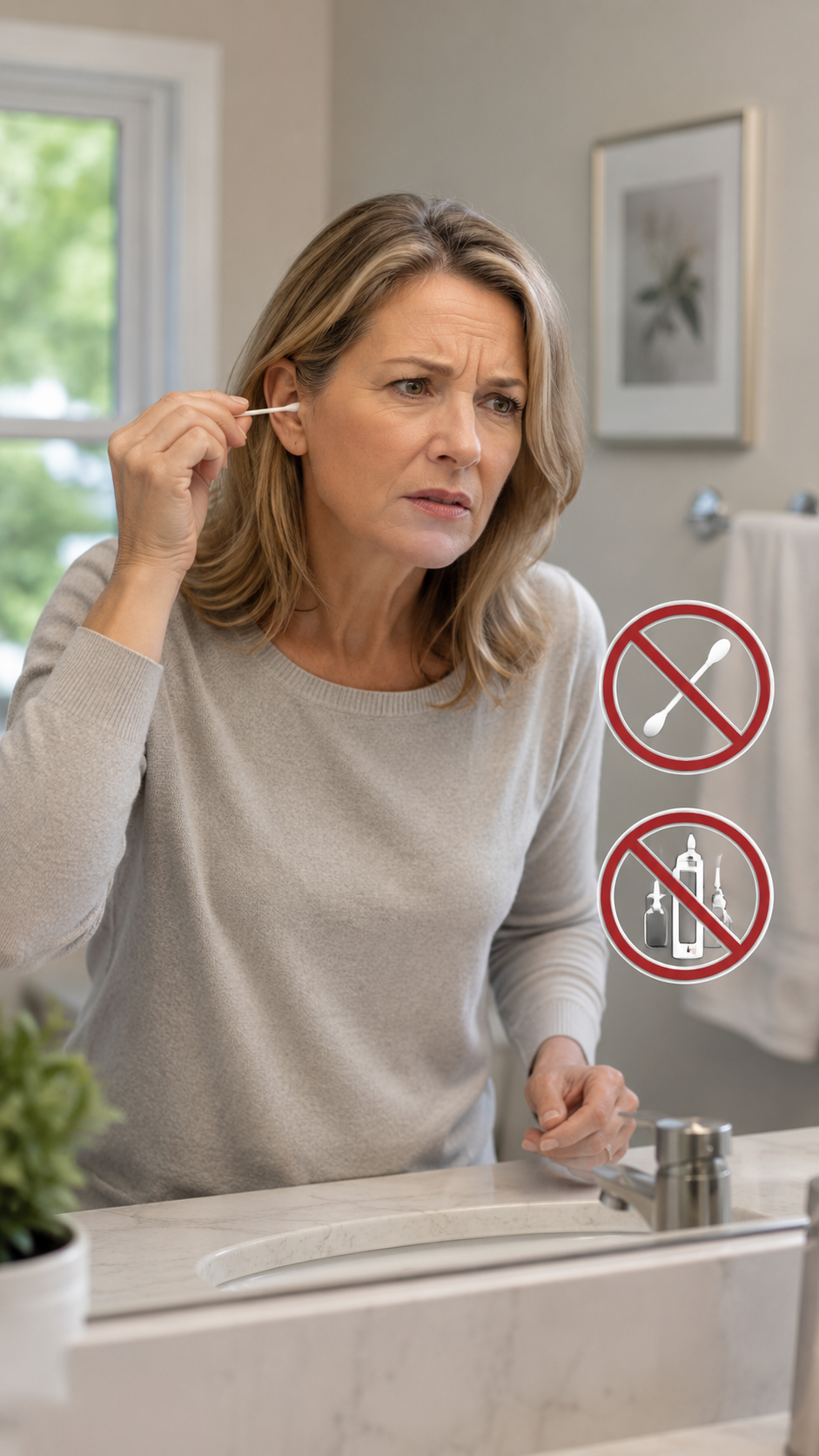
Before You Try to Fix a Blocked Ear at Home

Trying to fix a blocked ear at home can sometimes make the problem worse.

Cotton swabs often push wax deeper into the ear canal instead of removing it. This can compact the wax and make the blocked feeling stronger.

Over-the-counter flushing kits and ear candling can also create risk when used improperly. Ear candling is not a safe or reliable way to remove wax.

A blocked ear should be checked visually before anything is forced into the ear canal. That simple step helps clarify what is actually happening before treatment is attempted.

This appointment may not be the right first fit if you have:

  • Severe ear pain
  • Active discharge or bleeding
  • Recent ear surgery
  • Ear tubes or a known eardrum perforation
  • Severe dizziness or major balance symptoms
  • Sudden major hearing change that feels more serious than simple blockage
Tell our team before booking if any of these apply. In some cases, speaking with your doctor, walk-in clinic, urgent care, or ENT pathway may be safer first.

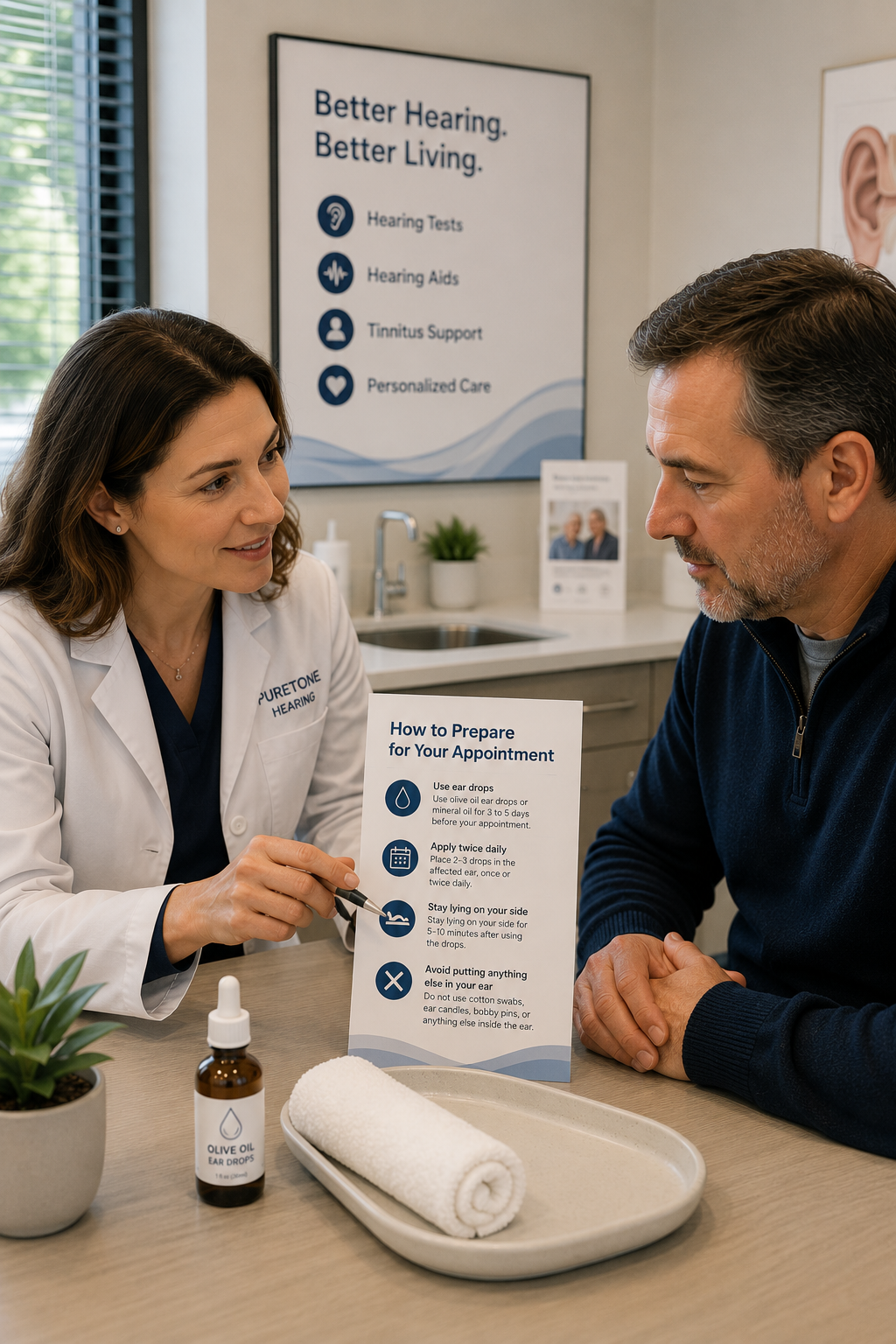
How to Prepare for Your Appointment

If there are no red flags, softening the wax before your visit may make removal easier and more comfortable.

Unless you have been told not to use ear drops, we usually recommend pharmacy-grade olive oil ear drops or mineral oil for 3 to 5 days before your appointment.
  • Place 2 to 3 drops into the affected ear
  • Use once or twice daily for 3 to 5 days before the appointment
  • Stay lying on your side for 5 to 10 minutes after using drops
  • Do not use cotton swabs, ear candles, bobby pins, or anything else inside the ear canal

Safety Note: Do not use drops or oil without speaking to us first if you have ear pain, discharge, bleeding, sudden hearing loss, recent ear surgery, ear tubes, or a known or suspected eardrum issue.

When you book, your confirmation instructions should explain how to prepare safely.
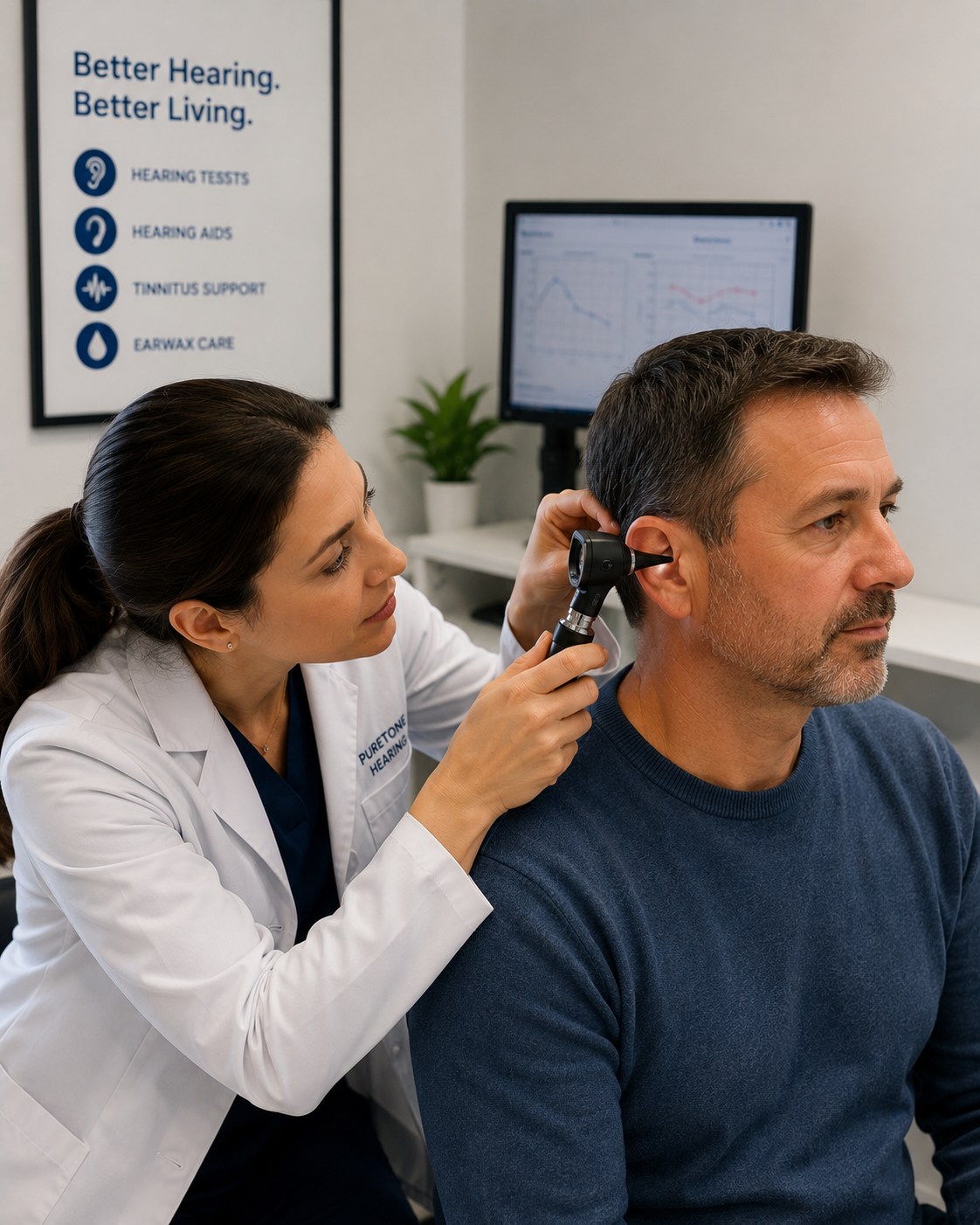
What Happens During an Earwax Assessment

A proper earwax appointment should feel calm, controlled, and informative.
The goal is not just removal. The goal is to confirm what is happening and manage the ear appropriately.
  1. Visual Ear Examination - Your Audiologist checks whether wax is present, how blocked the canal appears, and whether wax may reasonably explain the blocked or muffled sensation.
  2. Removal Where Clinically Appropriate - If wax is present and removal is safe, we use a suitable method based on what is seen in the ear canal.
  3. Post-Removal Check - Once the canal is cleared, we reassess the ear so we can confirm what changed.
  4. Next-Step Guidance - If hearing still feels reduced after wax is addressed, your Audiologist explains whether a Hearing Test or another pathway is appropriate.
If we see signs that wax removal should not proceed, we stop, explain the concern clearly, and guide you to the appropriate next step.

When Wax Is Not the Whole Problem

Sometimes wax is part of the picture. Sometimes it is not the answer at all.

Some patients notice clear relief after wax removal. Sound may feel more open, the blocked sensation may reduce, and hearing aids may sound stronger again.

For others, the ear may feel open but speech still seems unclear. That matters. It means wax may not have been the full explanation.

If family members have noticed gradual hearing changes, speech remains unclear in background noise, or hearing still feels muffled after the ear canal is clear, a full Hearing Test is usually the right next step.
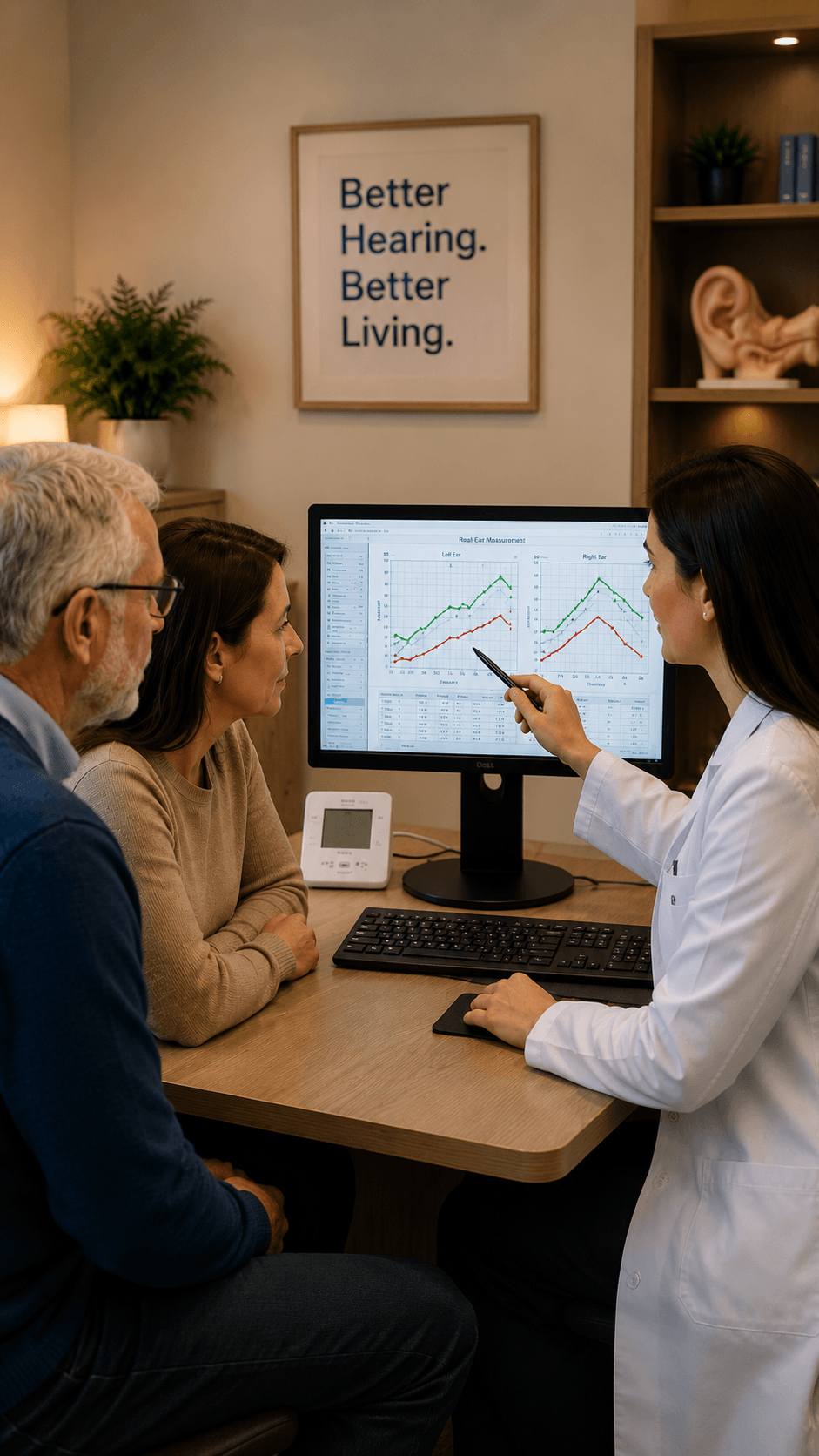
If Your Ear Is Clear but Hearing Still Feels Reduced

  • Hearing still sounds muffled
  • Speech remains unclear in background noise
  • Hearing aids still do not sound right
  • The next step is usually a Hearing Test or hearing-aid review

Earwax, Hearing Aids, and Tinnitus

Wax buildup can affect hearing clarity, hearing-aid performance, and sometimes tinnitus perception.

Earwax can be especially frustrating for hearing-aid wearers. Even well-fitted hearing aids can sound weak, dull, or inconsistent if wax blocks the ear canal or clogs receivers, domes, or sound ports.

Sometimes the hearing aid is working, but the pathway into the ear is blocked. Sometimes the hearing aid itself needs cleaning, repair support, or a fitting review.

Wax can also change how sound enters the ear and may make ringing or buzzing feel more noticeable in some people. That does not mean all tinnitus is caused by wax. It means wax is one factor worth ruling out when tinnitus appears with a blocked sensation.
Why Patients Choose Puretone for Earwax Concerns

Patients choose Puretone because this is an Audiologist-led, hearing-focused assessment, not a cosmetic clean-out service.

Puretone approaches wax concerns inside the broader hearing-care picture. If wax is present, we address it where appropriate. If wax is not the full answer, we can guide the next diagnostic step instead of leaving the question unresolved.

Patients often appreciate:

  • Visual ear examination first
  • Removal only where clinically appropriate
  • A direct bridge to Hearing Tests if needed
  • Support for seniors and hearing-aid wearers
  • Dedicated appointment time rather than a rushed walk-in model
  • Guidance when wax is not the full answer

The appointment remains useful even when wax turns out not to be the whole story.
Frequently Asked Questions About Earwax Assessment

Wax removal is designed to be gentle and controlled. You may feel slight pressure or hear mild sound from the process, but it should not feel harsh or aggressive.

No. Cotton swabs often push wax deeper into the ear canal and can make blockage worse.

In most cases, yes, unless you have been told not to use drops. We usually recommend pharmacy-grade olive oil ear drops or mineral oil for 3 to 5 days beforehand. If you have pain, discharge, bleeding, sudden hearing loss, recent surgery, ear tubes, or a known eardrum issue, speak with us first.

That is exactly why assessment matters. If symptoms are caused by wax, your Audiologist can identify that visually. If the ear is clear or hearing still feels reduced after wax is addressed, a full Hearing Test is often the right next step.

Yes. Wax can block the ear canal or affect hearing-aid sound outlets, making hearing aids seem weak, dull, or inconsistent.

Yes. A $50 booking fee reserves dedicated appointment time and is applied toward your visit. If little or no wax is found, the fee covers the ear assessment, clinician time, advice, and documentation.

Age 60+ only. Earwax assessment and removal, when clinically appropriate, is available at Surrey – King George / Newton and White Rock / South Surrey only. It is not offered at Scott Road or Vancouver.

No. This service is handled by appointment so there is enough time to assess the ear properly, remove wax safely where appropriate, and guide the next step clearly.

That is still useful information. If the ear canal is clear but hearing still feels muffled or reduced, the next step is usually a Hearing Test.

Where Earwax Assessment Is Available

Do not assume every blocked ear is wax, and do not ignore a blocked ear that may need proper assessment.
  • King George Boulevard / Newton: earwax assessment and removal available when clinically appropriate; strong fit for seniors, hearing-aid wearers, and practical follow-up support. It is not offered at Scott Road or Vancouver.
    Phone: 778-564-0785.
  • White Rock / South Surrey: earwax assessment and removal available when clinically appropriate; strong fit for patients who prefer a calmer setting and structured hearing-care guidance.
    Phone: 778-294-7276.
  • Surrey - Scott Road: not currently a wax-removal location; contact our team and we can help route you appropriately.
    Phone: 778-564-1611.
  • Vancouver - Main Street: not currently a wax-removal location; contact our team and we can help route you appropriately.
    Phone: 604-566-1034.