
Puretone helps families across Surrey, White Rock, and Vancouver take the first step with hearing changes, hearing aids, or communication concerns in a calm, respectful, and pressure-free setting.
In many families, the person with hearing difficulty is not the first one to bring it up. It is often a spouse, adult child, caregiver, or close family member who notices the pattern first. The television is louder. Conversations are repeated. Restaurants and family gatherings feel more tiring than they used to.
Bringing it up can feel sensitive. Your loved one may feel embarrassed, defensive, or worried that a hearing clinic visit will turn into a sales conversation.
At Puretone Hearing Clinic, the first appointment is about clarity. A Registered Audiologist helps determine whether the issue may be hearing loss, listening fatigue, tinnitus, a blocked-ear concern, or hearing aids that are no longer fitted or performing well enough.
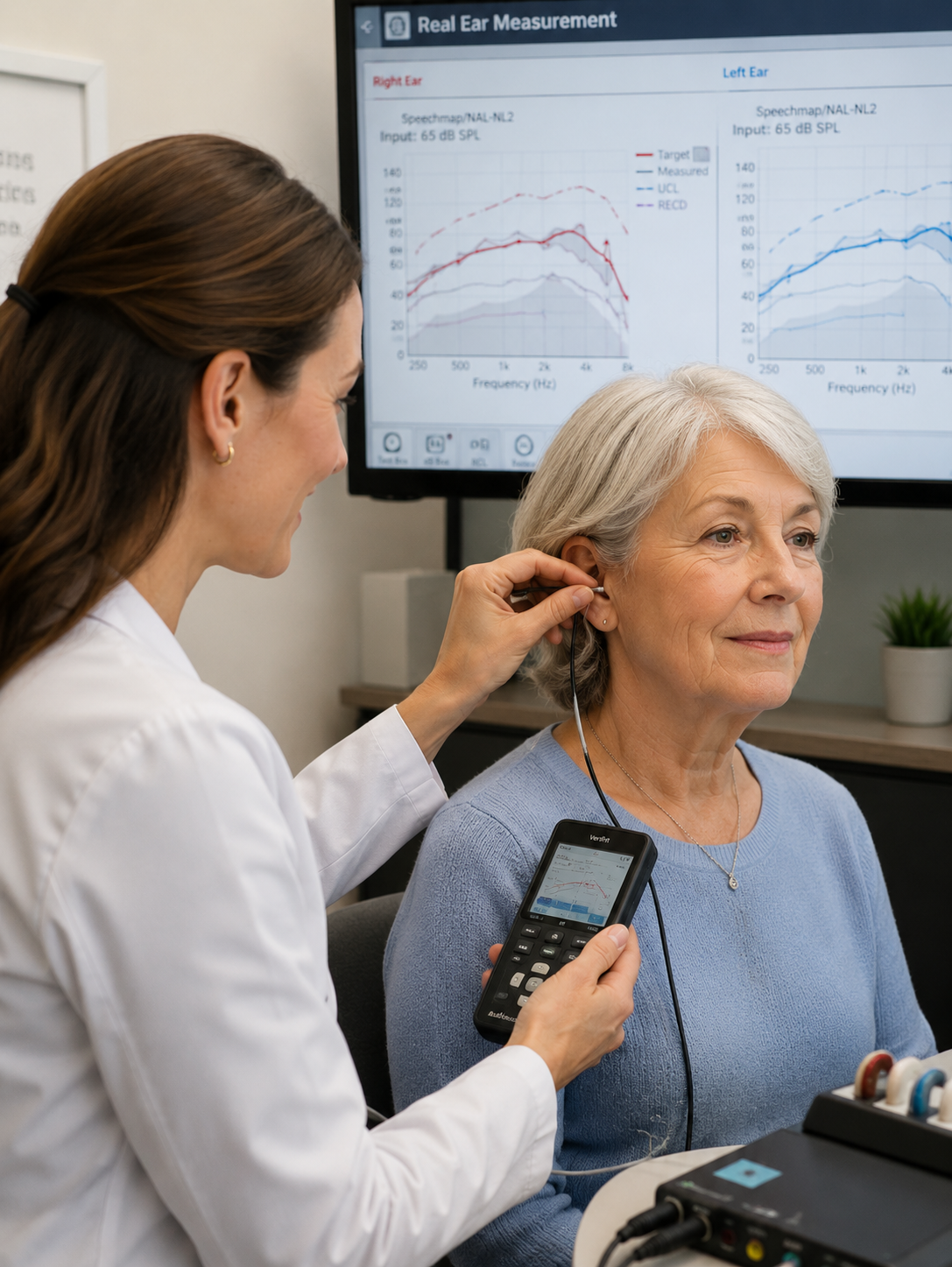
If Prescription Hearing Aids are appropriate, Puretone explains modern options such as Rechargeable Hearing Aids, Smart Hearing Aids, Bluetooth Hearing Aids, and AI-assisted hearing-aid features in practical language - then verifies the fitting with Real-Ear Measurement.

Hearing changes often happen slowly, which is why family members may notice the pattern first.
Your loved one may genuinely believe other people are mumbling, restaurants have become noisier, or everyone is speaking too fast. That does not mean they are ignoring the problem. It may mean they have adapted gradually.
It may be time to book if you notice:
Most hesitation comes from fear of pressure, embarrassment, or losing control over the decision.
Many people delay hearing care because they worry they will be pushed into hearing aids before they understand what is happening. Some have had a poor experience elsewhere. Others do not want to feel old, dependent, or rushed.
That hesitation is understandable. Hearing affects confidence, independence, family communication, and identity.
Puretone is built around a calmer process. Your Audiologist begins with assessment and explanation. If hearing aids are appropriate, we explain why. If monitoring, tinnitus support, ear-health guidance, or a second opinion is a better starting point, we explain that too.
When people understand they are coming in for answers, not pressure, the first step usually feels easier.

If your loved one is resistant, frame the visit as a calm assessment rather than a commitment to hearing aids.
Sometimes it helps to avoid starting with 'you need hearing aids.' Instead, suggest finding out what is happening. A Hearing Test, also called an Audiological Assessment, gives everyone a clearer baseline.
Every Audiological Assessment at Puretone includes an ear check. If the ear looks clear but hearing remains reduced, the Audiologist can explain whether continuing with full testing is appropriate.
Suggested Phrase: 'Let's just find out what is going on. You do not have to decide anything today. If hearing aids are not the right step, we will know that too.'

The conversation usually goes better when it starts with care, not correction.
Most people do not respond well to being told they have a problem. It usually helps to focus on comfort, effort, and quality of life rather than labels.
Suggested conversation starters:
That response is common. Try not to argue. Bring the conversation back to real situations: the restaurant they stopped enjoying, the family dinner where they looked tired, or how often things are being repeated.
A calm conversation today can make a future yes much easier.
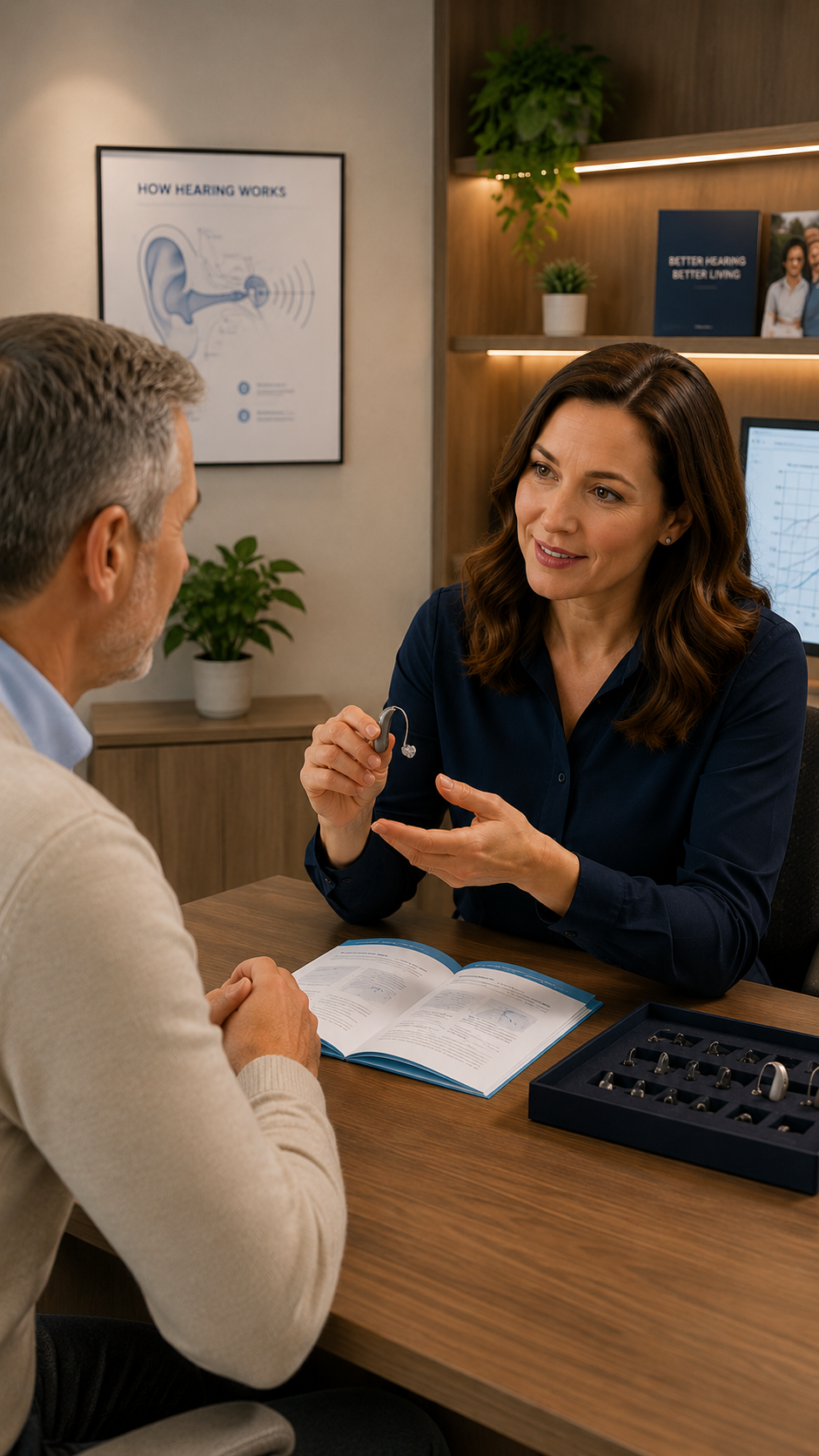
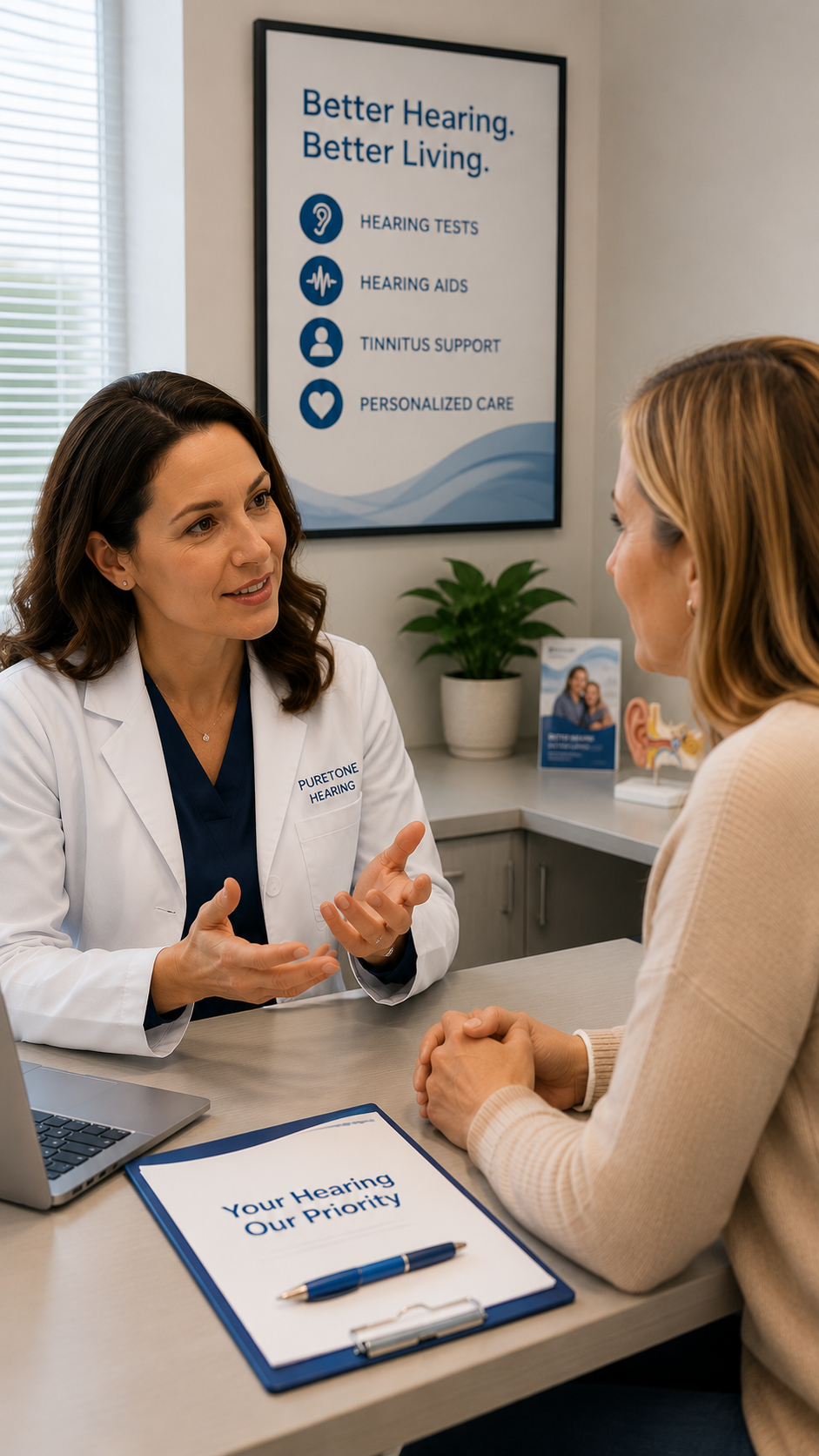


Yes. Adult children and spouses arrange many of these appointments. Let us know when booking that you may be attending too.
That is common. The first goal is not to push hearing aids. It is to establish a clear baseline so everyone understands what is happening.
A Hearing Aids Second Opinion can help determine whether the current hearing aids need better fitting, Real-Ear Measurement, repair support, reprogramming, or newer technology.
Yes. We welcome family members when that support helps the patient feel more comfortable and informed.
Contact us and tell us more about the situation. Where appropriate and available, we can discuss selected home-visit or care-facility options for seniors who cannot easily travel to clinic.
No. The first visit is about understanding the problem and explaining the options clearly. There is no obligation to make a same-day decision.
Yes. Many hearing-care decisions are family decisions. Loved ones are welcome so everyone understands the recommendation, the value of care, and the practical payment pathway.
That is one of the most common early signs families notice. A hearing test can help determine whether speech clarity has changed and whether hearing support may help.