
Most people do not start by knowing which hearing aid they need. They start with simpler questions: will it be visible, will it be easy to use, and will it help in the places where hearing feels hardest?
Maybe you want something discreet. Maybe tiny batteries are frustrating. Maybe restaurants are the real problem. Maybe phone calls, television, or Bluetooth matter more than you expected.
This page explains common hearing aid styles and features in plain language so the conversation feels easier before you sit down with a Registered Audiologist.
The final recommendation should still come after a proper Hearing Test, careful guidance from your Audiologist, and Real-Ear Measurement when hearing aids are fitted. But understanding the options first can make the hearing aid fitting conversation feel much less overwhelming.

This page is here to simplify the hearing-aid conversation before you book with a Registered Audiologist.
Many patients want to understand the difference between the shape of the hearing aid and the technology inside it. That makes sense.
Some patients care most about visibility. Some care most about comfort. Some want rechargeable convenience. Others want stronger help in restaurants, family gatherings, work settings, or phone calls.
The goal is not to make you choose hearing aids online. The goal is to help you ask better questions and understand what may be worth discussing with your Registered Audiologist after your hearing test.

Most hearing aids fall into a few main style categories, and each one has different strengths when fitted to the right patient.
The best style depends on your hearing levels, ear shape, comfort, hand dexterity, technology needs, independence goals, and how discreet you want the hearing aids to be.
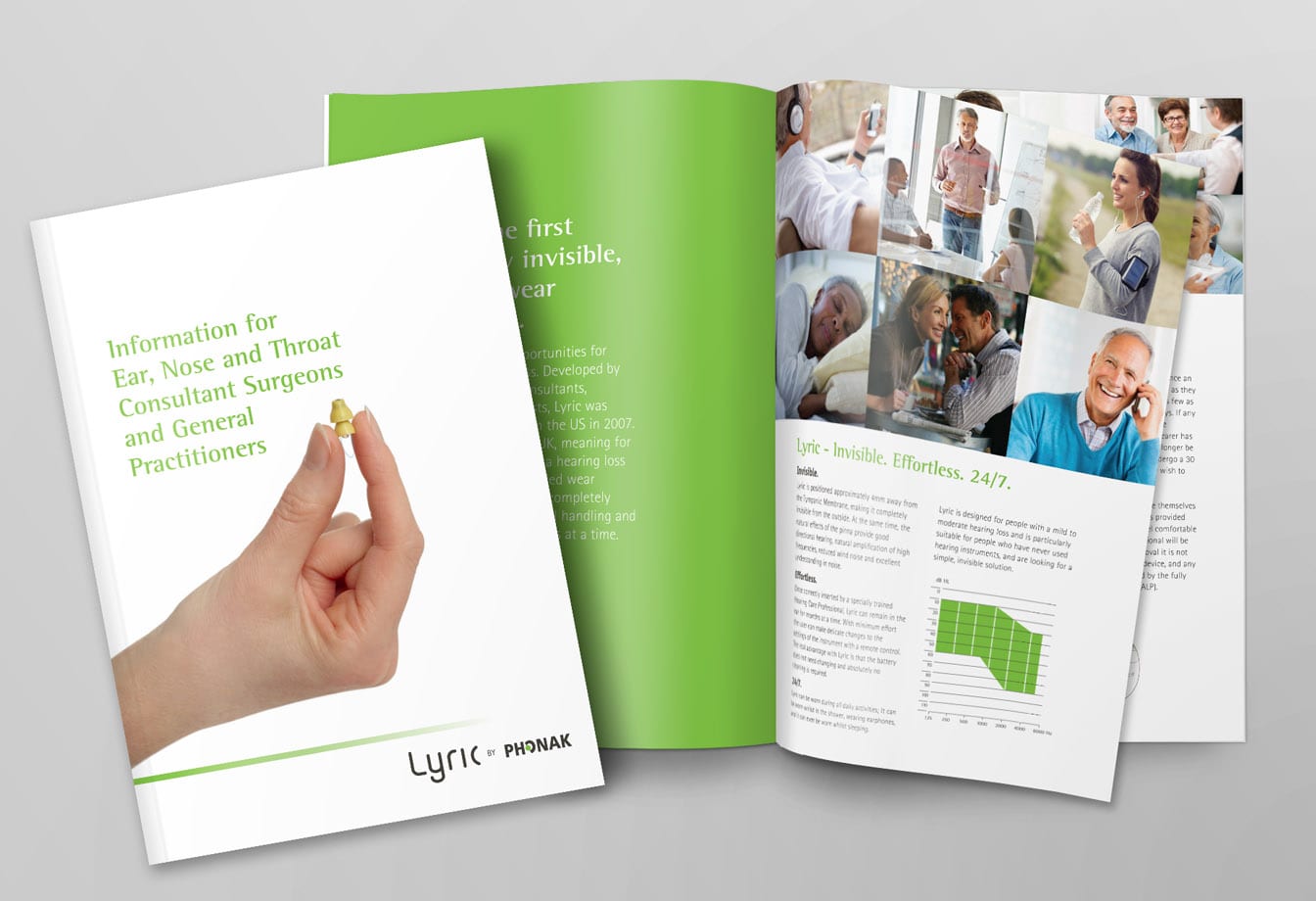
Receiver-in-canal hearing aids, often called RIC hearing aids, are slim, modern, and flexible. They are often a strong choice for patients who want everyday performance, rechargeability, Bluetooth connectivity, and a discreet look.
Best For: All-around performance, rechargeability, and modern daily use
Behind-the-ear hearing aids, often called BTE hearing aids, are usually slightly larger and easier to handle. They can be useful for patients who want durability, simplicity, and stronger hearing support.
Best For: Easier handling, durability, and stronger power
Custom Hearing Aids are shaped to match your ears. Many patients like them because they feel secure, comfortable, and more discreet in everyday life.
Best For: Tailored fit and low-profile daily wear
Custom Rechargeable Hearing Aids combine a made-for-you fit with charging convenience. They appeal to patients who want an integrated feel without managing tiny disposable batteries.
Best For: Custom fit with rechargeable convenience
Invisible or very discreet hearing aids are appealing for patients who care strongly about keeping hearing technology hidden. They can be an excellent option in the right ears, but they are not ideal for everyone.
Best For: Patients prioritizing minimal visibility
Style is how the hearing aid looks. Technology and the hearing aid fitting help determine how well it works in daily life.
Two hearing aids can look similar on the outside and still perform very differently. The more useful questions are simple: how well will it help in noise, how easy will it be to use, and how well will it support your everyday communication?
Patients usually make better hearing-aid decisions when the recommendation is tied to daily life, not just to a product photo or brand name.
For some patients, the main goal is hearing family conversation at the dinner table. For others, it is managing restaurants, group conversations, phone calls, or work meetings with less effort.

The best hearing aid is usually a balance between visibility, comfort, handling, features, hearing performance, and fitting accuracy.
Many patients begin by assuming the most invisible hearing aid must be the best choice. That is understandable. Visibility matters.
But smaller styles are not automatically the strongest option for every ear or every hearing profile.
In some cases, a slightly larger style gives you easier handling, better Bluetooth features, rechargeable convenience, stronger battery performance, or a better overall listening result.
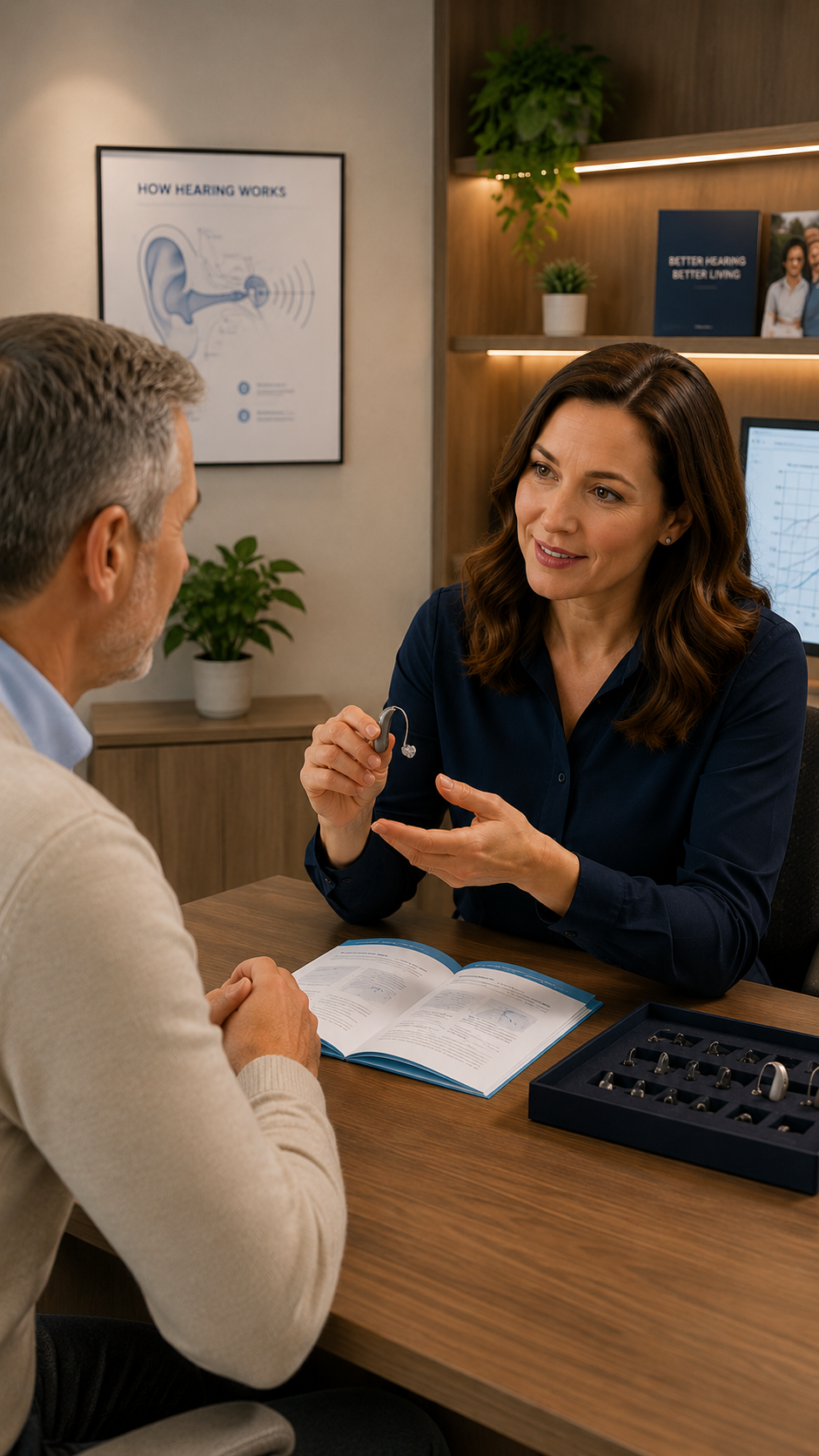
Even excellent hearing technology can disappoint if it is not fitted and verified properly by a Registered Audiologist.
Many people assume their biggest decision is choosing the right brand or style. Brand and style do matter, but fitting accuracy matters more.
That is why your Audiologist uses Real-Ear Measurement, often called REM. It helps verify how sound is actually performing inside your ear canal during a hearing aid fitting instead of relying only on a computer screen.
This is one of the biggest differences between simply buying hearing aids and receiving Prescription Hearing Aids that are properly fitted, verified, and supported by a Registered Audiologist.

Some patients come here choosing a first hearing-aid style. Others are trying to understand why current hearing aids are not working well enough.

If you already wear hearing aids but still find background noise, group conversations, or daily communication difficult, the next step may not be starting over. It may be a careful review of what is currently missing.
In some cases, the answer is better fitting and proper verification. In other cases, the technology inside your current hearing aids is too old or too limited for the life you are trying to live now.
A Hearing Aids Second Opinion with a Registered Audiologist can help determine whether the issue is your hearing, hearing aid fitting, settings, technology level, or a mix of factors.
A lot of hearing-aid research is done by family members first. Spouses and adult children often want to understand what is easier for their parent to use, what is more discreet, what actually helps in noise, and what may make daily life less frustrating.
We welcome family members into the conversation. A practical style explanation helps families understand why the smallest hearing aid is not always the easiest or most effective choice.
Style refers to the physical shape and how the hearing aid sits in or around your ear. Technology refers to what the processing inside the hearing aid can do, such as helping speech stand out in background noise, streaming phone calls, or recharging overnight.
Not always. Smaller hearing aids can be more discreet, but they are not automatically better for every hearing profile. Some patients hear better and find daily use easier with a style that is slightly larger.
For many patients, yes. Rechargeable Hearing Aids can make daily life simpler by removing the need to handle and change tiny disposable batteries.
Yes. Many modern Bluetooth Hearing Aids can connect directly to smartphones to stream calls, television audio, and other media. The exact connection experience depends on the hearing aid model and the phone you use.
Smart Hearing Aids are designed to adapt to changing listening environments. They are especially helpful when hearing speech over background noise is an ongoing concern.
Yes. The best style and technology recommendation should begin with a detailed hearing test so the final choice fits your hearing levels, daily needs, and hearing aid fitting requirements.
They can be, especially for patients who spend a lot of time in complex, noisy sound environments. The main benefit is whether the technology makes speech easier to follow while helping you feel less tired.
Yes. If a certain style or brand stands out to you, bring it up. Your Audiologist can explain whether it is likely to be a strong fit for your hearing and lifestyle.
The hearing aid fitting matters more. Even premium hearing technology can underperform if it is not matched and verified properly in your ear using Real-Ear Measurement.
Yes. A Hearing Aids Second Opinion can help determine whether you need adjustment, better verification, repair support, or an upgrade.
No. Invisible hearing aids can be a good fit for some patients, but suitability depends on hearing level, ear shape, handling ability, and feature needs. For some patients, a slightly larger rechargeable style gives a better everyday result.
The best style depends on your hearing and comfort needs, but background-noise performance is usually driven more by technology level, fitting accuracy, and Real-Ear Measurement than by style alone.
You do not need to figure out the style alone before you book with a Registered Audiologist.
Many patients worry they need to decide between invisible, Bluetooth, rechargeable, custom, or stronger background-noise technology before they come in. That is not how the process works at Puretone.
The purpose of the hearing test is to narrow the options clearly. Once your Audiologist understands your hearing, comfort needs, daily routine, independence goals, and the situations where communication feels hardest, the choices usually become much simpler.
Instead of guessing from online photos or feature lists, you leave with a clearer explanation of what actually fits and why.
Clearer choices begin with Registered Audiologist guidance and a verified fit.