At Puretone Hearing Clinic, your Registered Audiologist inspects the hearing aids, checks what can be handled in clinic, and explains whether cleaning, small-part replacement, manufacturer repair, a Hearing Test, hearing aid fitting review, Real-Ear Measurement review, or a Hearing Aids Second Opinion is the better path.
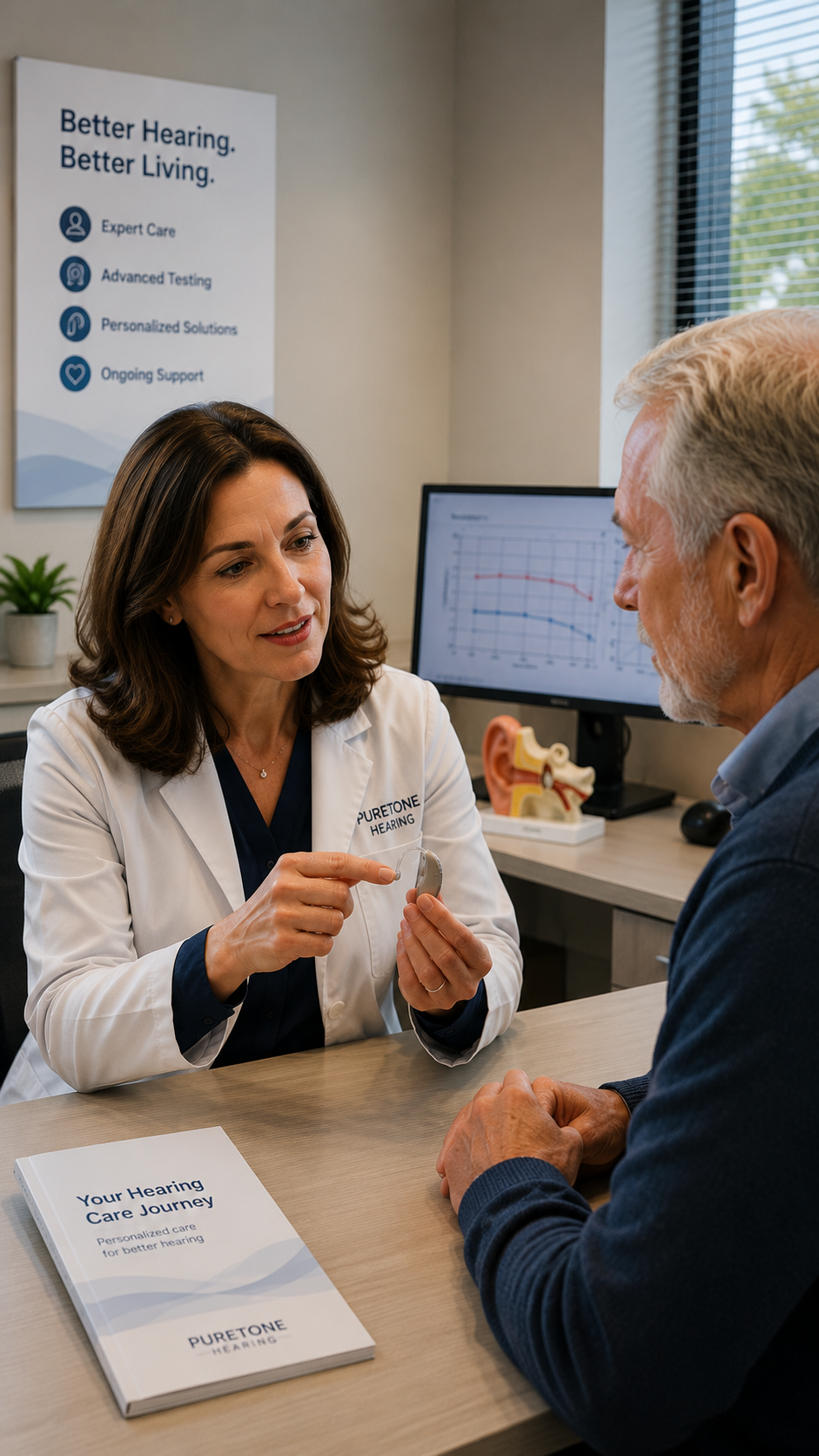
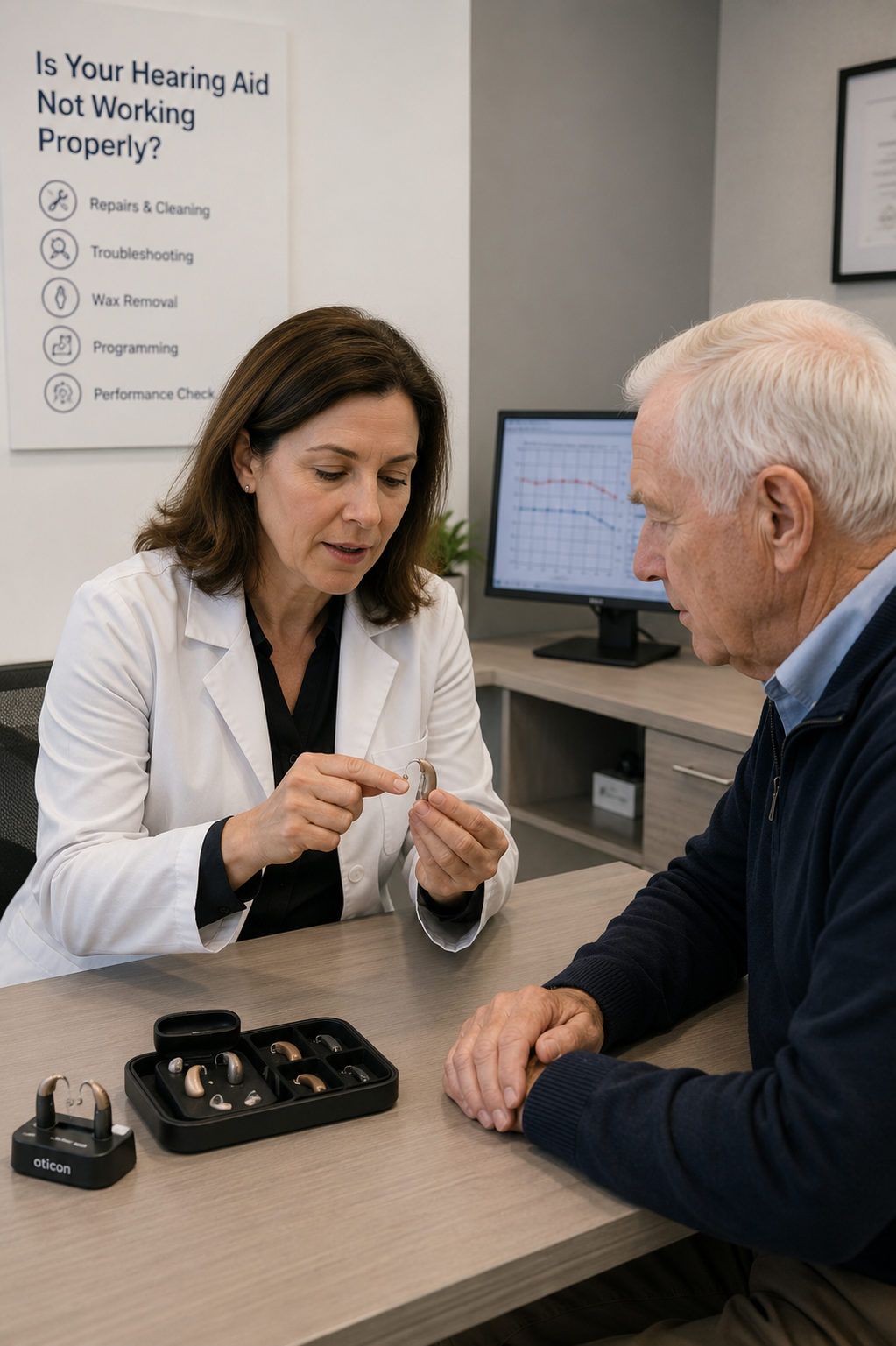
If the hearing aid is working but you still cannot hear clearly, the issue may not be repair alone. A blocked ear canal, changed hearing, outdated settings, or an incomplete hearing aid fitting may need to be reviewed. If an ear concern appears involved, your Audiologist explains the appropriate next step.

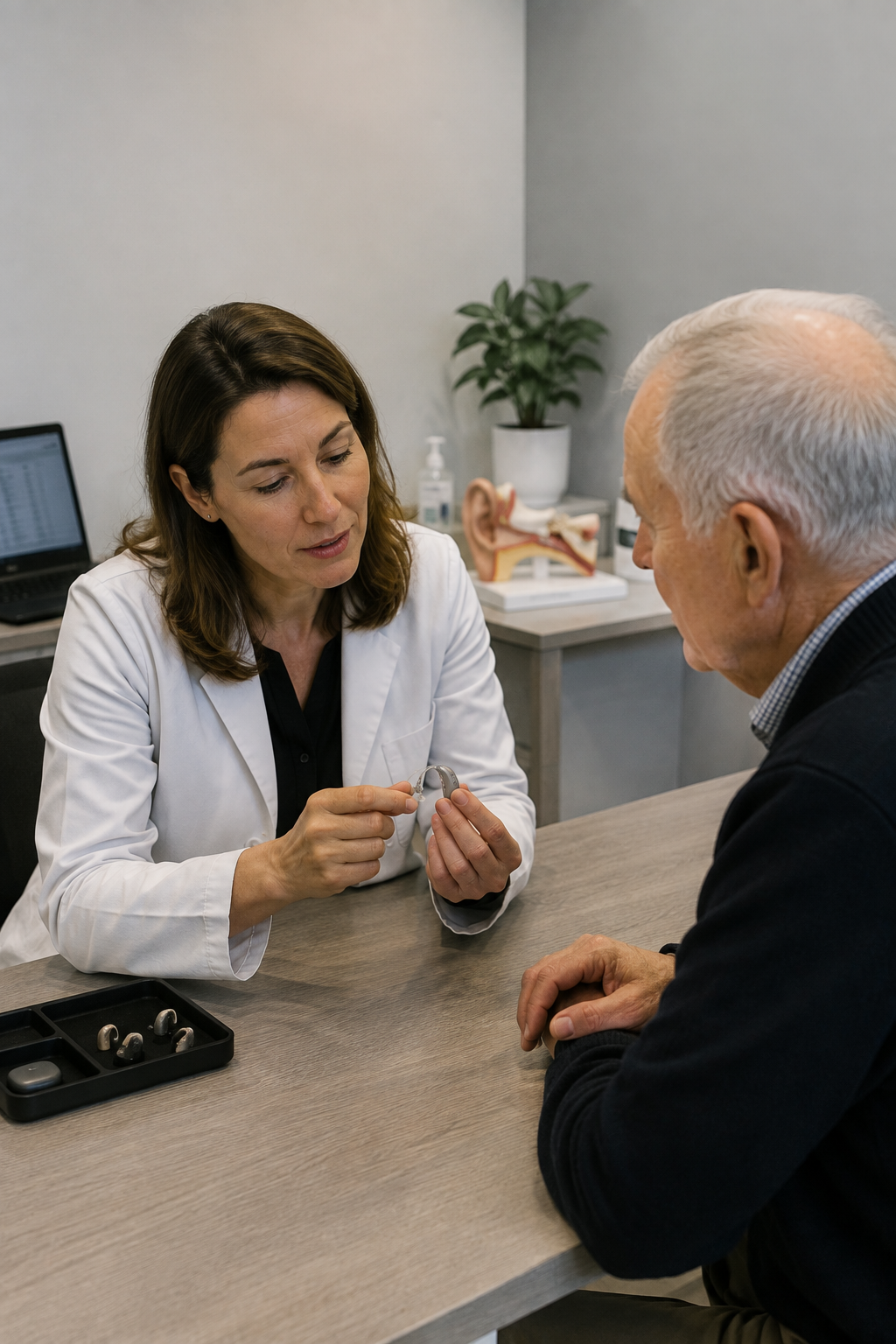
We do not push patients into new hearing aids when a simple repair will solve the problem. But if the repair cost is high and the technology or hearing aid fitting is already falling short, your Audiologist will explain that honestly.
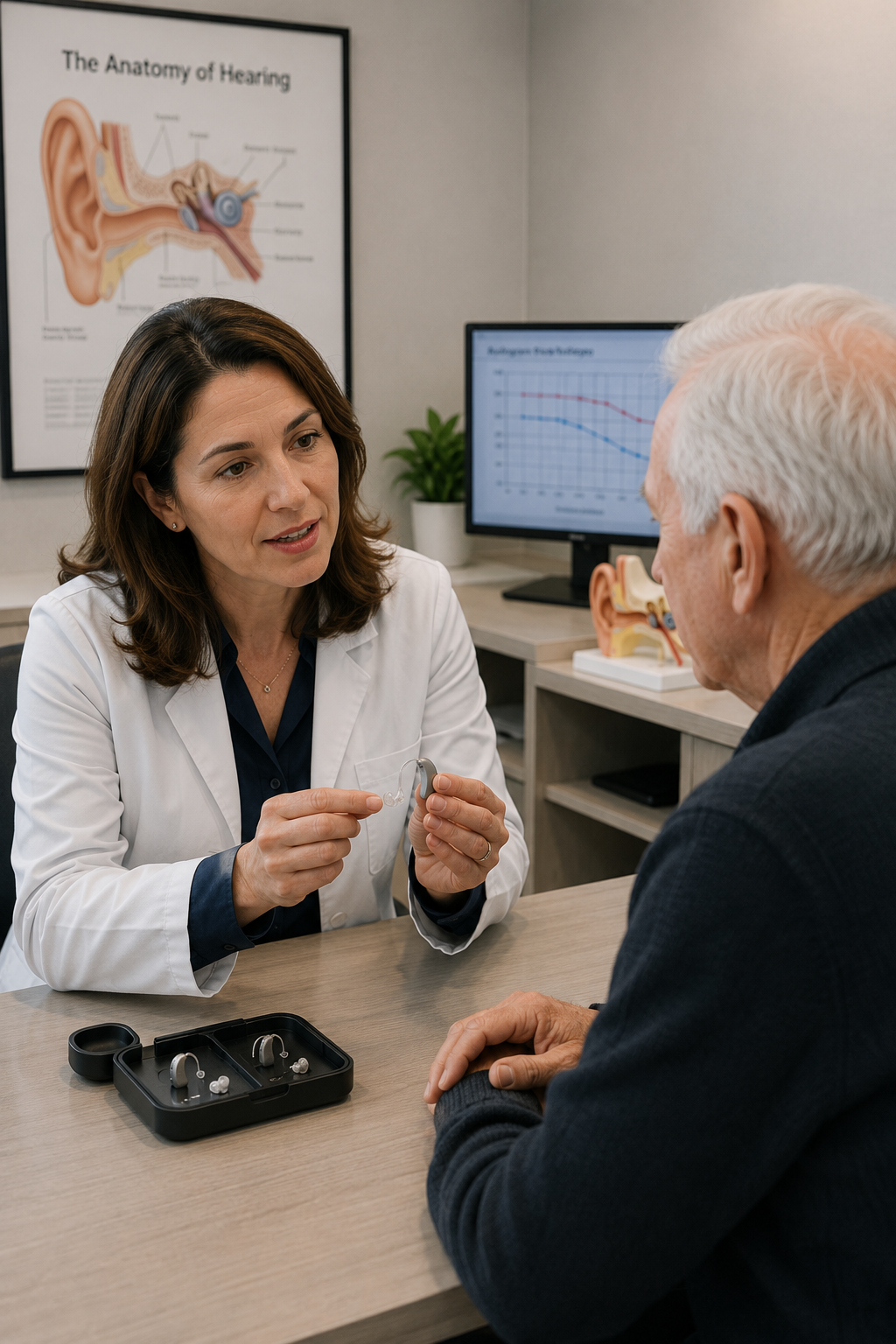
If the hearing aid is physically working but the result is still disappointing, the answer may be a Hearing Test, hearing aid fitting review, Real-Ear Measurement, repair guidance, or a Hearing Aids Second Opinion.


If the problem is simple, such as a blocked wax guard, dirty microphone area, worn dome, or broken small part, it may be addressed during your appointment. If the hearing aid needs manufacturer repair, timing depends on the brand and issue.
Yes. We ask patients to book a repair appointment so the hearing aid can be inspected properly and your Audiologist can check whether the hearing aid fitting, settings, sound pathway, or hearing changes may also be part of the problem.
Yes. We can assess and troubleshoot hearing aids from most major hearing aid brands, including hearing aids purchased from other clinics, chains, or big-box providers, as long as the brand and model can be supported.
Whistling often happens when sound leaks back into the microphone. This can be caused by fit issues, worn parts, changed hearing, a blocked sound pathway, or changes in the ear.
If the hearing aid is on but clarity is still poor, the problem may be changed hearing, a blocked sound pathway, outdated settings, or incomplete hearing aid fitting rather than a true repair issue.
Yes. Modern hearing aid issues often involve charging, connectivity, or streaming reliability, not just sound output.
Older hearing aids can sometimes still be repaired, but repeated repairs, poor performance in noise, and out-of-warranty costs may make upgrade discussions more sensible.
Yes. Sometimes a hearing aid is working, but the ear, hearing aid fitting, settings, or sound pathway is preventing clear sound. Your Audiologist can review this during the visit and explain the appropriate next step.
Bring both hearing aids, your charger or batteries, your phone if connectivity is part of the issue, and any accessories you use regularly.
For repair and troubleshooting issues, we prefer a booked appointment. This allows your Audiologist to assess the hearing aids, check whether other factors are involved, and avoid sending hearing aids away unnecessarily.
We support most major hearing aid brands. Whether a specific repair is possible depends on the model, age, parts availability, warranty status, software access, and manufacturer repair access. We confirm what is possible after reviewing your hearing aids.
It depends on the age of the hearing aids, repair cost, warranty status, your current hearing, and how well they were helping before the problem started. If repair is sensible, your Audiologist will say so. If the money may be better put toward updated technology, we will explain why.