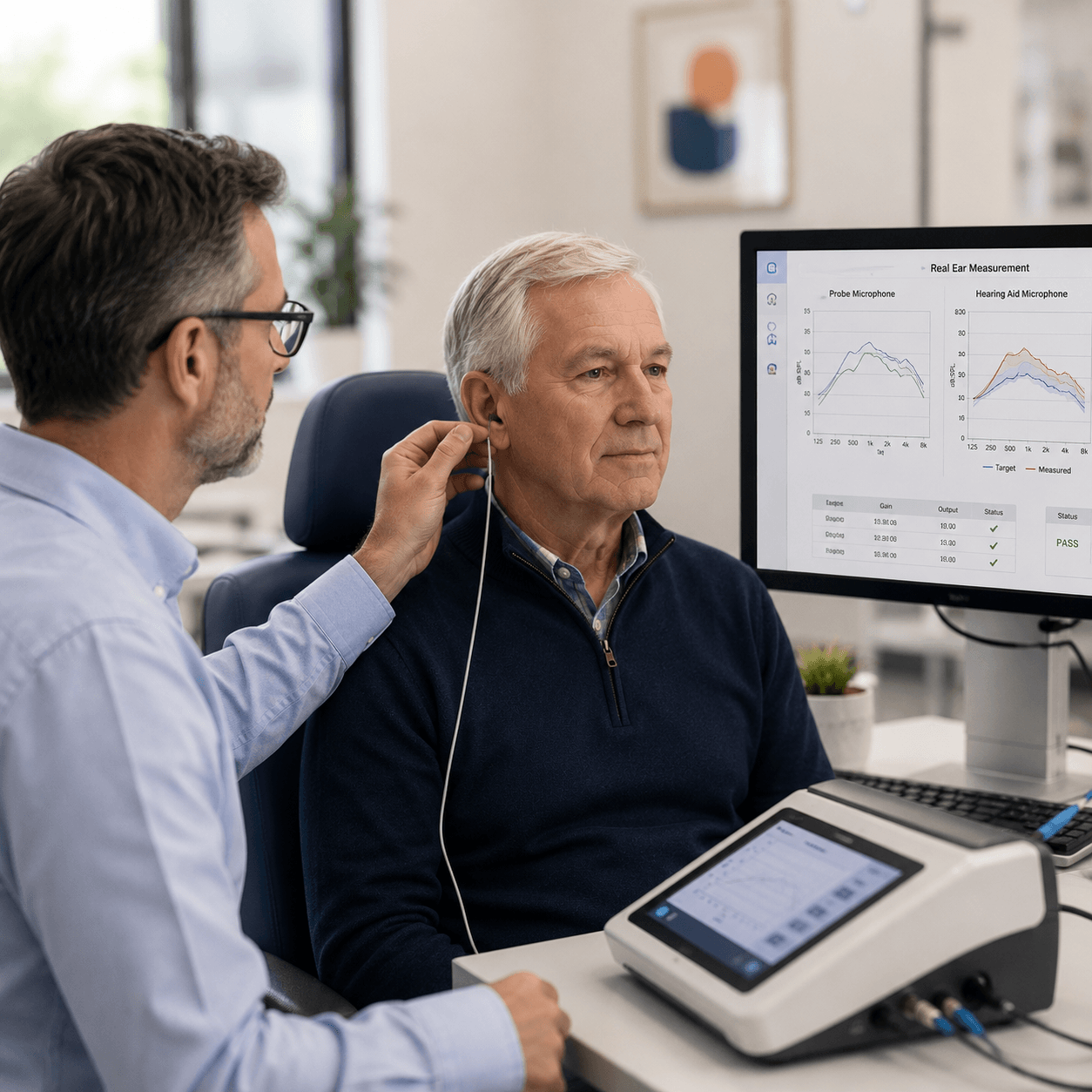
Sometimes the answer is not new hearing aids at all. Sometimes it is better programming, repair support, a more accurate hearing aid fitting, Real-Ear Measurement, or a Hearing Aids Second Opinion. If newer Prescription Hearing Aids are genuinely the better path, we explain why.


Before spending more on older technology, your Registered Audiologist reviews the situation properly. Sometimes repair is reasonable. Sometimes a better hearing aid fitting is the right first step. Sometimes putting that cost toward newer Prescription Hearing Aids with stronger performance and a fresh warranty is the more practical choice.

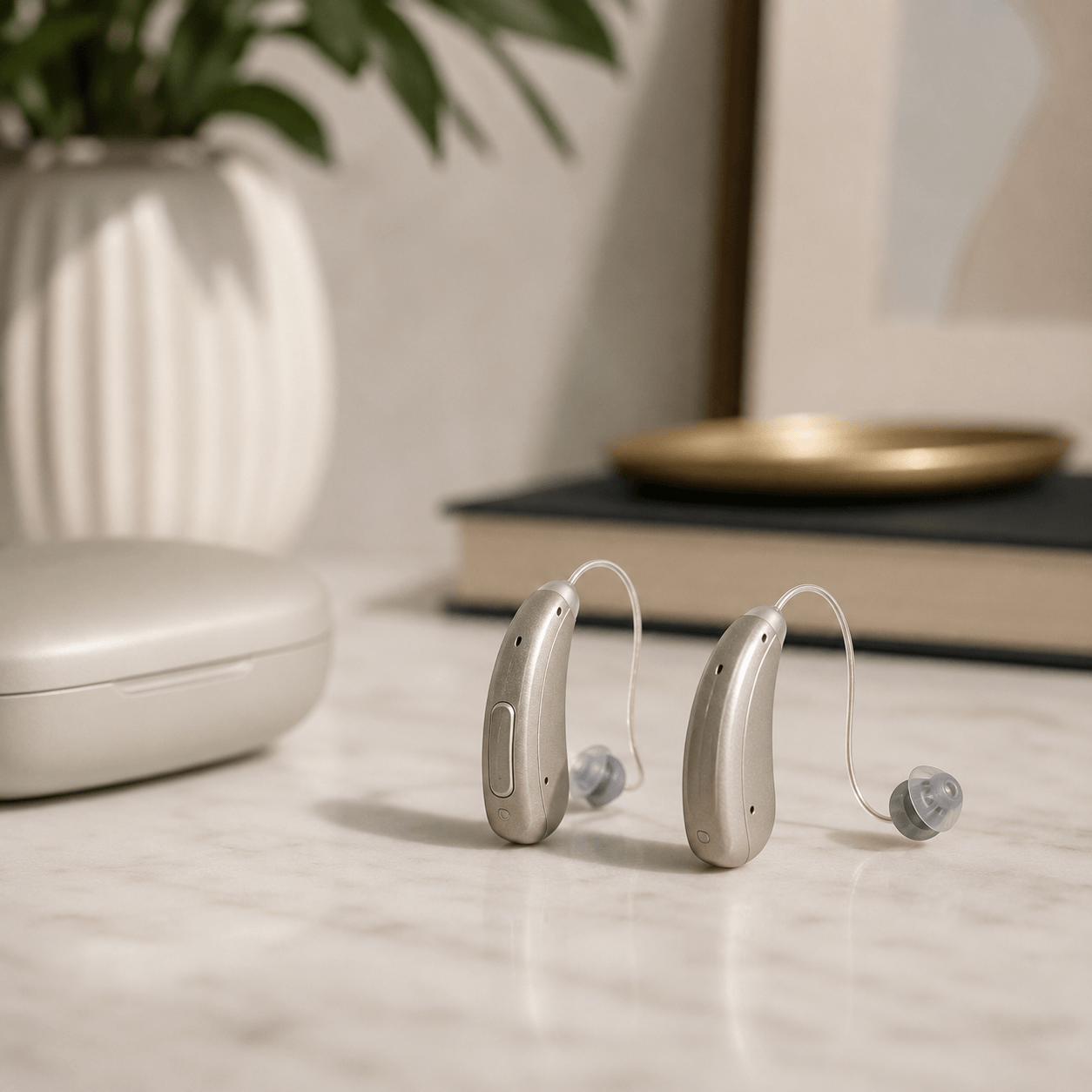

The clearest way to know is through an Audiological Assessment and a review of your current hearing aids. If they can still be improved properly, your Audiologist will say so. If they cannot, we explain why an upgrade makes more sense.
Many hearing aids provide about five to seven years of strong performance with proper care. The timing depends on your hearing, listening environments, technology level, warranty status, and how reliable the hearing aids still are.
Often, yes. One of the biggest improvements in newer technology is stronger speech support in noise through better automatic processing and improved background-noise management. It will not make noisy environments effortless, but it can meaningfully reduce listening effort.
Buying hearing aids elsewhere does not prevent you from getting a clinical upgrade review. Your Audiologist can assess the current fitting, review whether the devices still match your needs, and explain whether adjustment, repair, verification, or newer technology is the better path.
A review fee may apply depending on the appointment type and the amount of testing or device evaluation required. The purpose is to make the upgrade decision based on accurate information rather than guesswork.
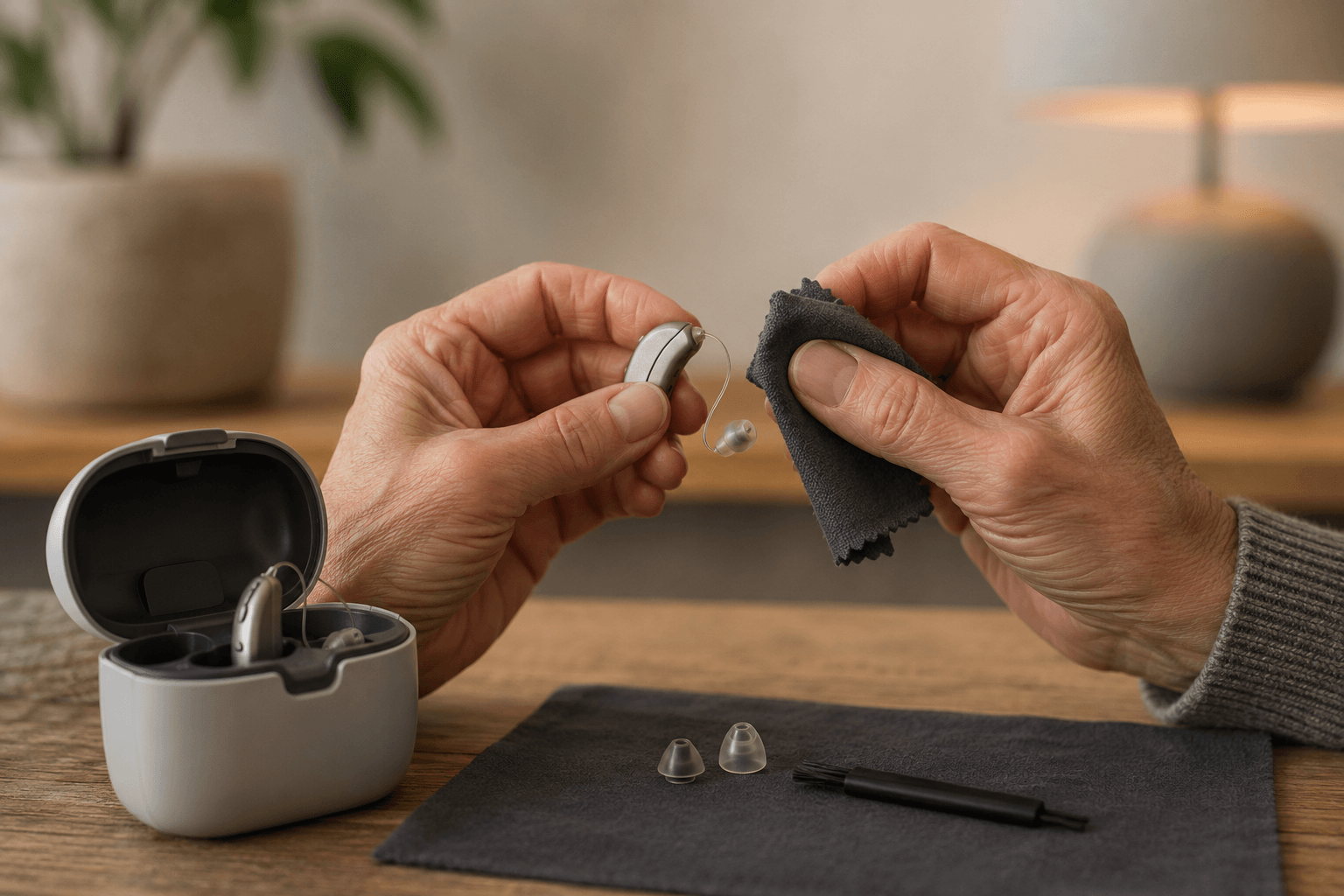
In many cases, yes. Older hearing aids can sometimes be cleaned, recalibrated, and kept as backup hearing aids, even if they are no longer the best everyday solution.
No. The right technology level depends on your hearing and your daily environments. Some patients benefit from premium support. Others do very well with a different level. The goal is the right match, not the highest price.
That is exactly why an upgrade consultation or Hearing Aids Second Opinion is useful. Your Audiologist helps determine whether the issue is your hearing, fitting, settings, technology level, repair status, or a mix of factors.
When appropriate, we can demonstrate modern hearing technology in clinic so you can better understand what newer Smart Hearing Aids may offer before making a decision.
Yes. We welcome spouses, adult children, and support people. Upgrade decisions are often easier when everyone understands the hearing results, current technology limits, and the reasoning behind the recommendation.
No. A proper upgrade begins with a fresh hearing assessment, a review of your current hearing aids, a hearing aid fitting review, Real-Ear Measurement where appropriate, and a clear explanation of what newer technology would actually improve. It should not be a simple replacement conversation.